Restoring Alignment and Movement
Our Services
01.
Radial Shockwave Therapy
Radial shockwave therapy is a non-invasive treatment that uses high-energy sound waves to stimulate healing in injured or painful tissues.
02.
Swift Therapy for Warts
Swift therapy is an advanced treatment used for plantar (verruca) warts. Unlike traditional treatments that focus on destroying the wart tissue.
03.
Children’s gait assessment
A children’s gait assessment is a comprehensive evaluation of how a child moves. We look at walking and running patterns, foot posture, leg alignment, strength, flexibility, and coordination.
04.
Foot Mobilisation Therapy (FMT)
Our foot and joint mobilisation therapy focuses on restoring natural movement and joint alignment within the foot and ankle.
05.
Orthotics
Orthotics are shoe inserts designed to support the feet, improve alignment, and optimise how forces are distributed through the lower limbs during standing, walking, and activity.
06.
Ingrown Nail Surgery
Ingrown nail surgery is a minor procedure used to treat painful or recurrent ingrown toenails. It involves removing the section of nail that is causing irritation or infection.
07.
Moon boot fittings
A moon boot fitting involves the assessment and fitting of a controlled ankle motion (CAM) boot, commonly referred to as a moon boot.
08.
Supportive footwear advice
Footwear plays a key role in how forces move through the feet and lower limbs, and the right supportive shoes can significantly influence comfort and function.
09.
Pre-pointe assessments
A pre-pointe assessment is a specialised evaluation designed to determine whether a dancer is physically ready to commence pointe work.
10.
Diabetic foot assessments
A diabetic foot assessment is a comprehensive check of foot health for people living with diabetes. It focuses on identifying early signs of complications such as reduced sensation.
11.
Medicare & Department of Veterans’ Affairs (DVA) services
Eligible patients may access podiatry care through Medicare or the Department of Veterans’ Affairs with a valid referral.
12.
WorkCover & TAC consultations
WorkCover and TAC consultations provide podiatry assessment and treatment for injuries sustained at work or as a result of a transport accident.
13.
NDIS services
For eligible NDIS participants, our podiatry services are tailored to individual goals and functional needs. Our approach focuses on improving comfort & supporting mobility.
14.
Telehealth consultations
Telehealth consultations allow you to consult with your podiatrist remotely via secure video or phone appointment. These sessions are designed to provide clinical guidance.
Our Philosophy
Quality Care, Tailored To You
Our clinic is committed to delivering high-quality and holistic care that addresses the whole person, not just the symptoms. We focus on creating long-term results that improve your mobility and quality of life.
We take the time to understand your individual needs and goals, providing personalised treatment plans designed to deliver the best possible results and patient experience.
Professionalism and clinical excellence are at the core of everything we do. Our team adheres strictly to the standards and guidelines set by the Podiatry Board of Australia and relevant professional bodies, ensuring safe, ethical, and evidence-based care at all times.
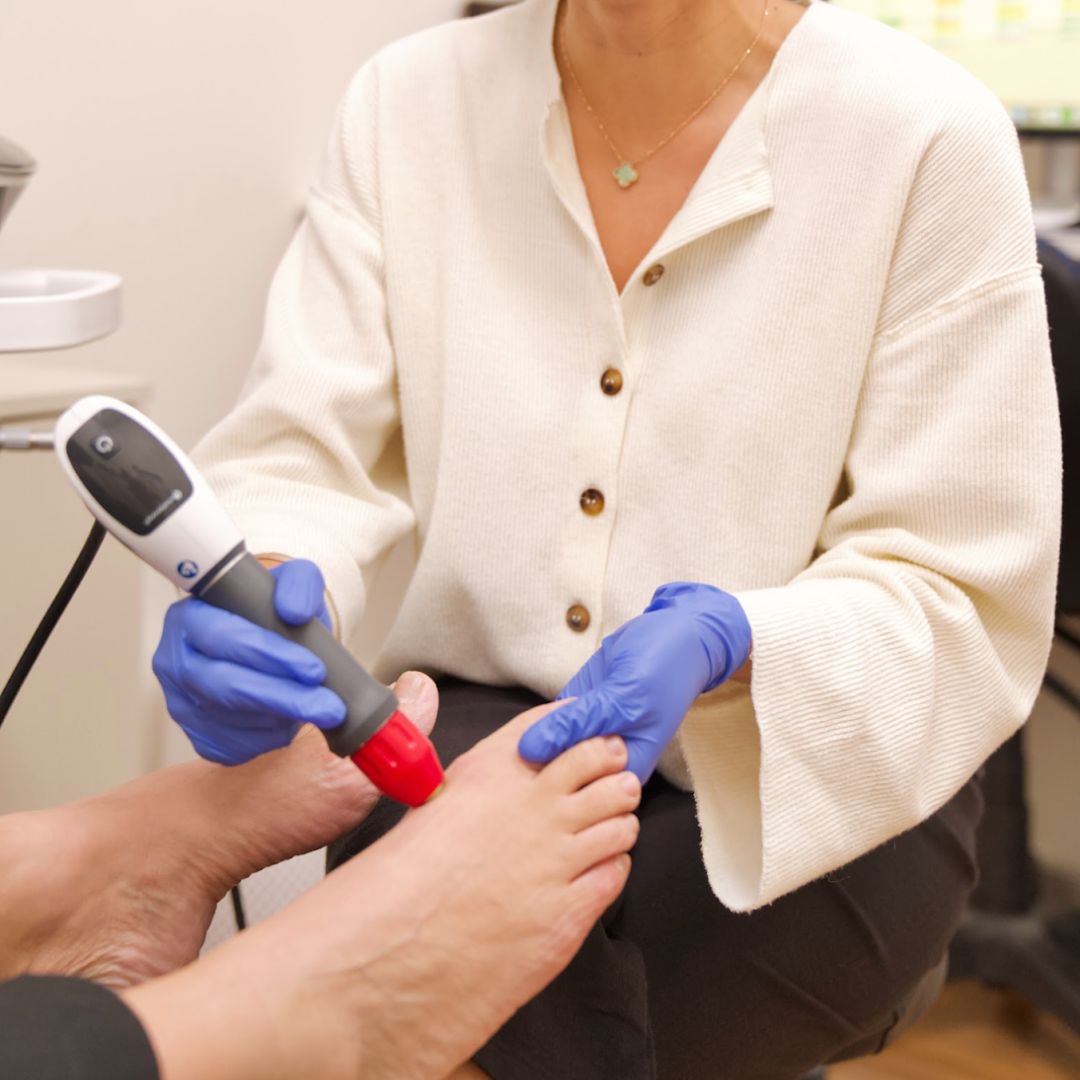
Radial shockwave therapy
- Stimulates collagen production at the injured site to support tissue repair
- Helps reduce inflammation and joint stiffness while improving mobility
- Supports faster healing and recovery
Radial shockwave therapy is an evidence-based treatment that is safe and non-invasive. Your podiatrist will assess your suitability for shockwave therapy and tailor the treatment to your condition and comfort level.
How does it work?
Radial shockwave therapy works by delivering focused sound waves to injured tissue, triggering a biological healing response within the body. These mechanical signals are converted into biochemical activity, leading to increased local blood flow, stimulation of tissue repair processes, and release of growth factors involved in healing.
This response supports collagen production, tissue regeneration, and the breakdown of abnormal or degenerative tissue changes. Shockwave therapy also helps reduce inflammation and modulate pain by desensitising nerve endings in the treated area, contributing to improved function and reduced discomfort over time.
Who may benefit from radial shockwave therapy?
Radial shockwave therapy may be beneficial for people experiencing:
- Chronic heel or arch pain
- Achilles or other tendon-related pain
- Plantar fasciitis
- Ongoing soft tissue injuries
- Joint stiffness and reduced mobility
Certain foot or toe fractures to support tissue healing (where appropriate) - Ligament injuries such as ATFL tears
- Plantar plate tears
- Morton’s neuroma
- Bursitis
- Conditions that have not responded fully to rest or conservative care
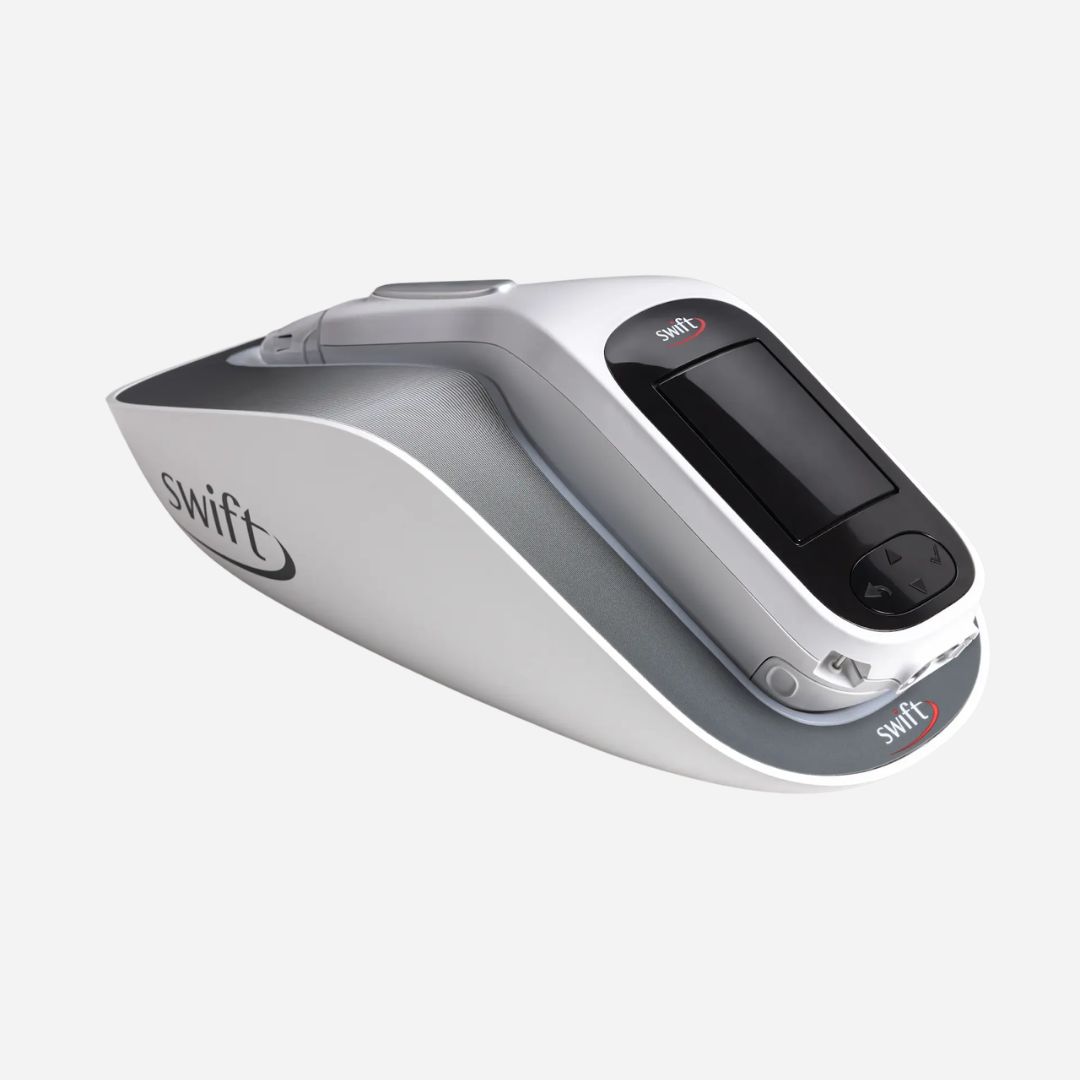
Swift therapy for warts
- A non-invasive treatment that stimulates the body’s natural immune response to eliminate the virus rather than damaging the skin surface.
- This approach aligns with our philosophy of working with the body’s natural healing processes, while allowing patients to continue daily activities with minimal disruption.
- No dressings required, no daily topical medication and minimal downtime after treatment
What is swift therapy?
Swift therapy is an advanced treatment used for plantar (verruca) warts. Unlike traditional treatments that focus on destroying the wart tissue, Swift works by stimulating the body’s immune system to recognise and clear the virus responsible for the wart.
Who may benefit from swift therapy?
Swift therapy may be suitable for people who:
- Have persistent (months/years) or recurring plantar warts
- Have not responded to traditional treatments such as salicylic acids or freezing/cryotherapy
- Prefer a non-invasive treatment option
- Want minimal downtime
- Have warts causing discomfort, pain, or interference with walking or sport
- A convenient option for those who prefer not to manage daily at-home ointment or topical treatments.
How does swift therapy work?
Swift therapy delivers controlled energy that generates therapeutic heat within the wart tissue. This controlled energy heats the tissue beneath the skin surface, stimulating a local immune response without destroying the outer skin.
By activating the body’s natural defence mechanisms, Swift helps the immune system identify and clear the virus over time. As the immune response strengthens, the wart gradually resolves, often with reduced recurrence compared to surface-destructive treatments. As with all treatments, your podiatrist will assess whether Swift therapy is appropriate based on the wart type, location, and your individual circumstances.

Children’s gait assessment
- A comprehensive evaluation of how a child walks, runs, and moves, focusing on foot posture and lower limb alignment
- Identifies whether concerns are part of normal development or require support
- Provides guidance, reassurance, or treatment where appropriate
What is a children’s gait assessment?
A children’s gait assessment is a comprehensive evaluation of how a child moves. We look at walking and running patterns, foot posture, leg alignment, strength, flexibility, and coordination. The aim is to understand how a child’s feet and lower limbs are functioning as they grow.
These assessments help distinguish between normal developmental variations and movement patterns that may benefit from monitoring or intervention.
Who may benefit from a children’s gait assessment?
A gait assessment may be helpful for children who have:
- In-toeing or out-toeing
- Bowed legs or knocked knees
- Tip-toe walking
- Frequent tripping or falling
- Foot, leg, or heel pain
- Concerns raised by parents, teachers, coaches, or health professionals
- Suitable for children of all ages, from early walkers to active adolescents.
How does a children’s gait assessment work?
During the assessment, your podiatrist will observe how your child stands, walks, and runs, and assess joint movement, muscle strength, balance, and alignment. Age-appropriate testing is used to ensure the assessment is comfortable and engaging for your child.
Following the assessment, we explain our findings clearly and provide guidance tailored to your child’s stage of development. This may include reassurance, monitoring, exercises, footwear advice, or treatment where appropriate — always with a focus on supporting healthy movement and long-term development.
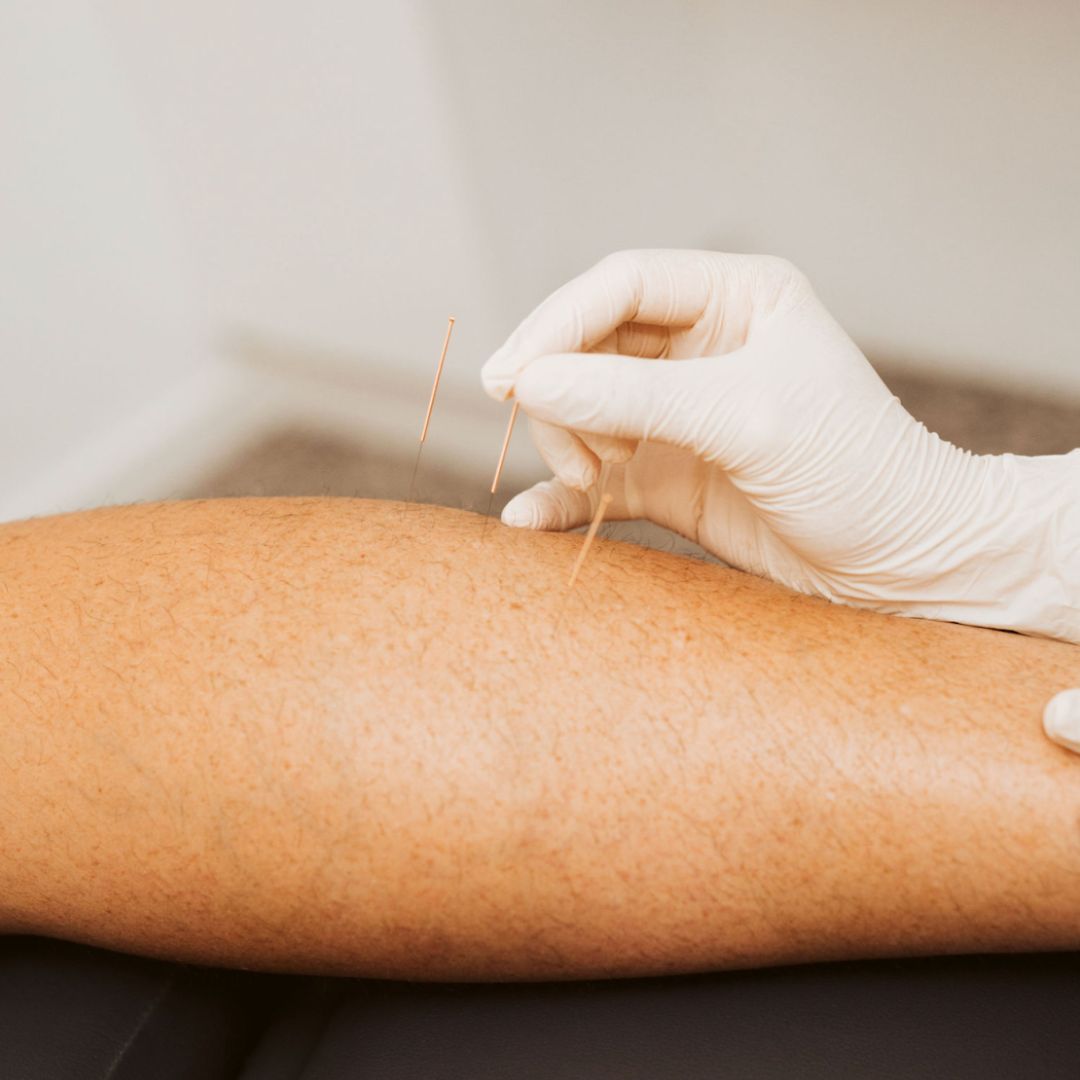
Foot mobilisation therapy (FMT)
- Aims to restore normal joint movement and improve range of motion
- Helps reduce stiffness and joint restrictions within the foot
- Can assist in managing foot arthritis and joint-related discomfort
By addressing joint stiffness and restrictions, we aim to improve movement efficiency, reduce strain through the lower limb, and support long-term function rather than short-term symptom relief.
What is foot and joint mobilisation therapy?
Foot and joint mobilisation therapy is a hands-on treatment approach used to improve joint movement, alignment, and function within the foot, ankle, and lower limb. It involves gentle, controlled movements applied to specific joints to help reduce stiffness, restore mobility, and support more efficient movement patterns.
This therapy focuses on addressing restrictions that may contribute to pain, altered walking patterns, or ongoing strain through the feet and legs.
Who may benefit from this treatment?
Foot and joint mobilisation therapy may be beneficial for people experiencing:
- Foot or ankle stiffness or restricted movement
- Ongoing or recurring foot pain
Cramps in the leg or foot - Arthritis affecting the foot or ankle joints
- Reduced range of motion following injury or immobilisation
- Altered walking or running mechanics
- Heel, arch, or forefoot pain related to joint restriction
How does it work?
Joint restrictions can alter how forces move through the foot and lower limb, often leading to increased stress on surrounding structures. Foot and joint mobilisation therapy aims to gently restore normal joint movement, allowing the foot to function more efficiently during walking, standing, and activity.
By improving joint mobility and alignment, this therapy can help reduce excessive load, improve comfort, and support long-term movement and function. It is often used alongside other treatments such as exercise therapy, orthotics, or footwear advice as part of a personalised treatment plan.
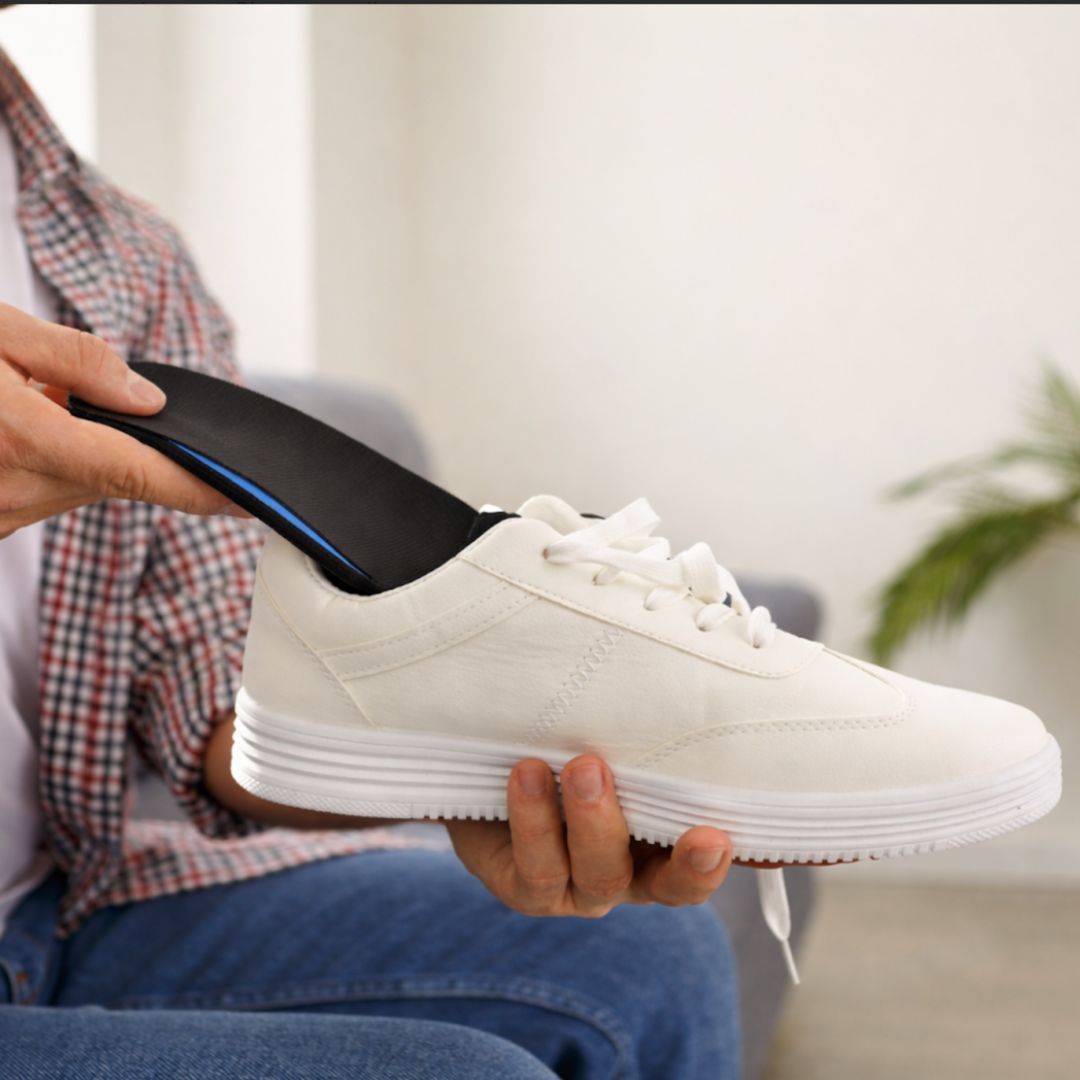
Orthotics
- Designed to support foot alignment and improve movement efficiency
- Available as 3 options: off-the-shelf, semi-custom, or fully customised
- Used to reduce strain, improve comfort, and support long-term function
What are orthotics?
Radial shockwave therapy works by delivering focused sound waves to injured tissue, triggering a biological healing response within the body. These mechanical signals are converted into biochemical activity, leading to increased local blood flow, stimulation of tissue repair processes, and release of growth factors involved in healing.
This response supports collagen production, tissue regeneration, and the breakdown of abnormal or degenerative tissue changes. Shockwave therapy also helps reduce inflammation and modulate pain by desensitising nerve endings in the treated area, contributing to improved function and reduced discomfort over time.
Who may benefit from orthotics?
Orthotics are shoe inserts designed to support the feet, improve alignment, and optimise how forces are distributed through the lower limbs during standing, walking, and activity. They can help reduce excessive stress on muscles, joints, and soft tissues, supporting more efficient and comfortable movement.
Depending on your assessment and needs, orthotics may be off-the-shelf, semi-customised, or fully custom-made.
How does orthotics work?
Orthotics work by supporting the foot in a more optimal position and guiding movement during gait. This helps improve alignment, control excessive motion, and reduce stress placed on vulnerable structures.
Off-the-shelf orthotics provide general support and may be suitable for mild concerns. Semi-custom orthotics offer additional adjustment for foot shape and activity demands. Fully custom orthotics are designed specifically for your feet following a detailed assessment, 3D scanning and can be customised based on your needs. Orthotics are often used alongside rehab exercises, footwear advice, or other treatments as part of a personalised plan focused on long-term movement and alignment.
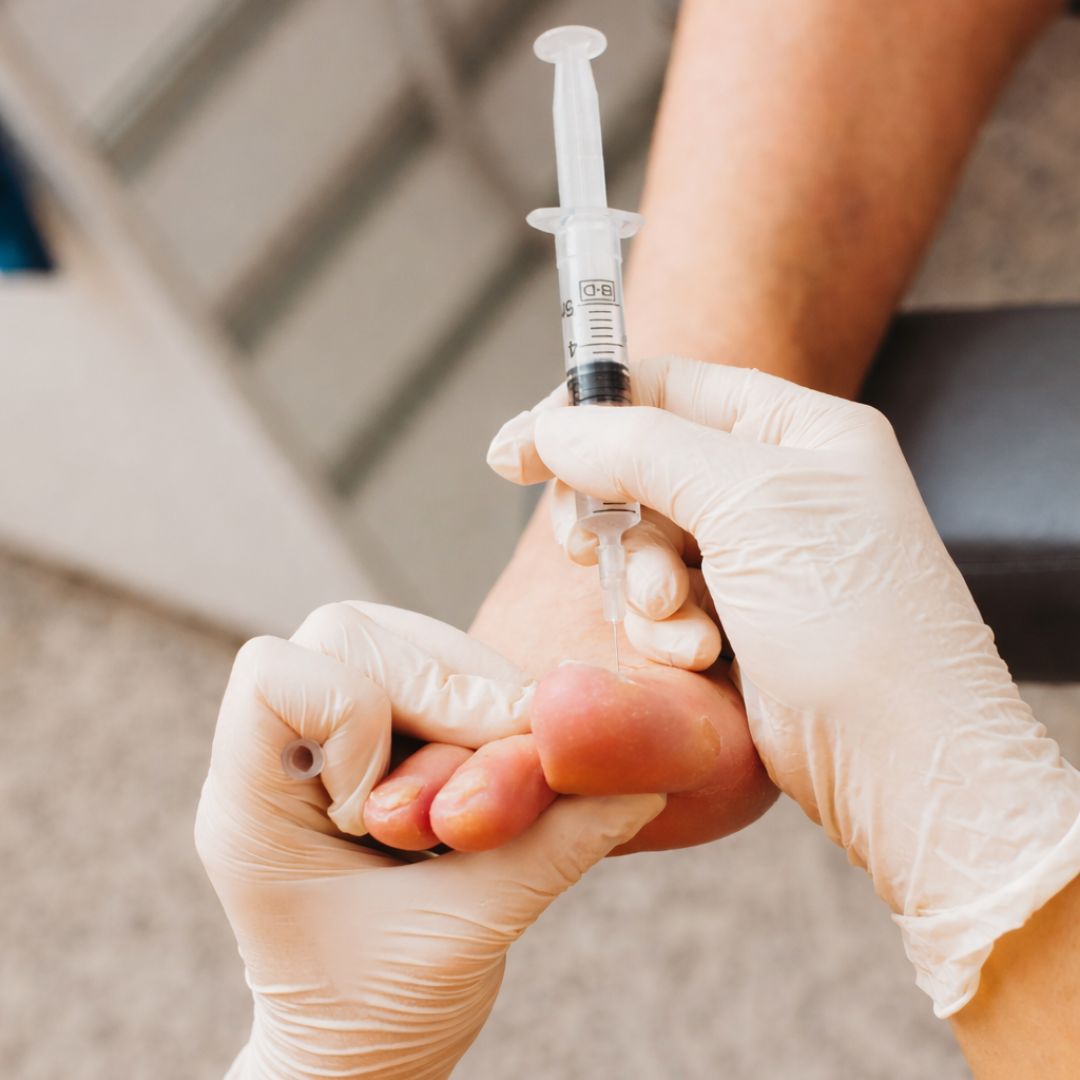
Ingrown nail surgery
- A long-term solution for recurring or painful ingrown nails
- Performed in clinic under local anaesthetic
- Designed to reduce recurrence
What is ingrown nail surgery?
Who may benefit from ingrown toenail surgery?
Ingrown nail surgery may be suitable for people who experience:
- Recurrent or chronic ingrown toenails
- Ongoing pain, swelling, or infection around the nail
- Difficulty walking, exercising, or wearing shoes due to nail pain
- Ingrown nails that have not responded to conservative care
Your podiatrist will assess the nail and surrounding tissue to determine whether surgery is the most appropriate option.
How does Ingrown Toenail Surgery work?
Once the toe is numbed with a local anaesthetic, a section of nail is carefully removed. Phenol is then used to treat the nail matrix, reducing the risk of regrowth of that portion of the nail.
The procedure is typically quick, with clear aftercare instructions provided to support healing. Most patients are able to return to normal footwear and activities within a short period, depending on individual healing and activity demands.
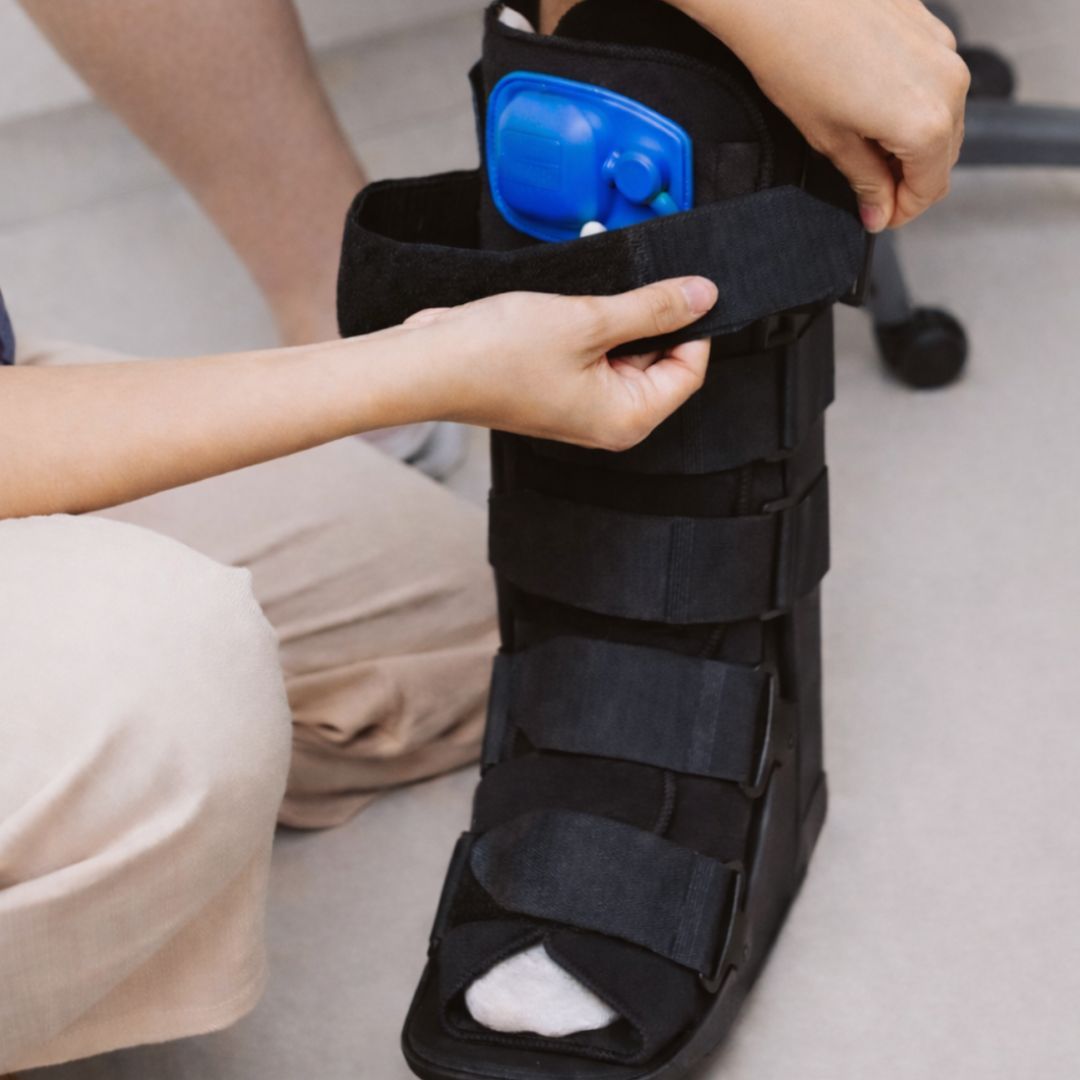
Moon boot fittings
- Provides protection and offloading to support healing after injury or surgery
- Ensures correct fit, comfort, and safe use of the boot
- Helps maintain alignment and reduce strain during recovery
What is a moon boot fitting?
A moon boot fitting involves the assessment and fitting of a controlled ankle motion (CAM) boot, commonly referred to as a moon boot. These boots are used to protect and stabilise the foot or ankle while reducing load on injured structures during healing.
Proper fitting is essential to ensure comfort, safety, and effective support throughout the recovery period.
Who may benefit from a moon boot fitting?
Moon boot fittings may be recommended for people with:
- Foot or ankle fractures
- Tendon and ligament injuries and tears
- Post-surgical recovery needs
- Conditions requiring offloading or immobilisation
Your podiatrist will assess whether a moon boot is appropriate based on your diagnosis and stage of recovery.
How does a moon boot fitting work?
During the fitting, your podiatrist will select the appropriate boot size and style, adjust straps and padding, and ensure proper alignment of the foot and ankle. You will be guided on how to walk safely, manage leg length differences, and care for your boot during daily activities.
Clear advice is provided on wear time, activity modification, and progression to support safe healing and a gradual return to movement.
Why proper moon boot fitting matters
Benefits of a properly fitted moon boot:
- Provides correct support and alignment to protect the injured area
- Reduces unnecessary pressure on healing bones, tendons, or ligaments
- Improves comfort and stability when walking
- Helps prevent secondary pain in the knee, hip, or lower back
Proper fitting ensures the moon boot is working with your body to support recovery.
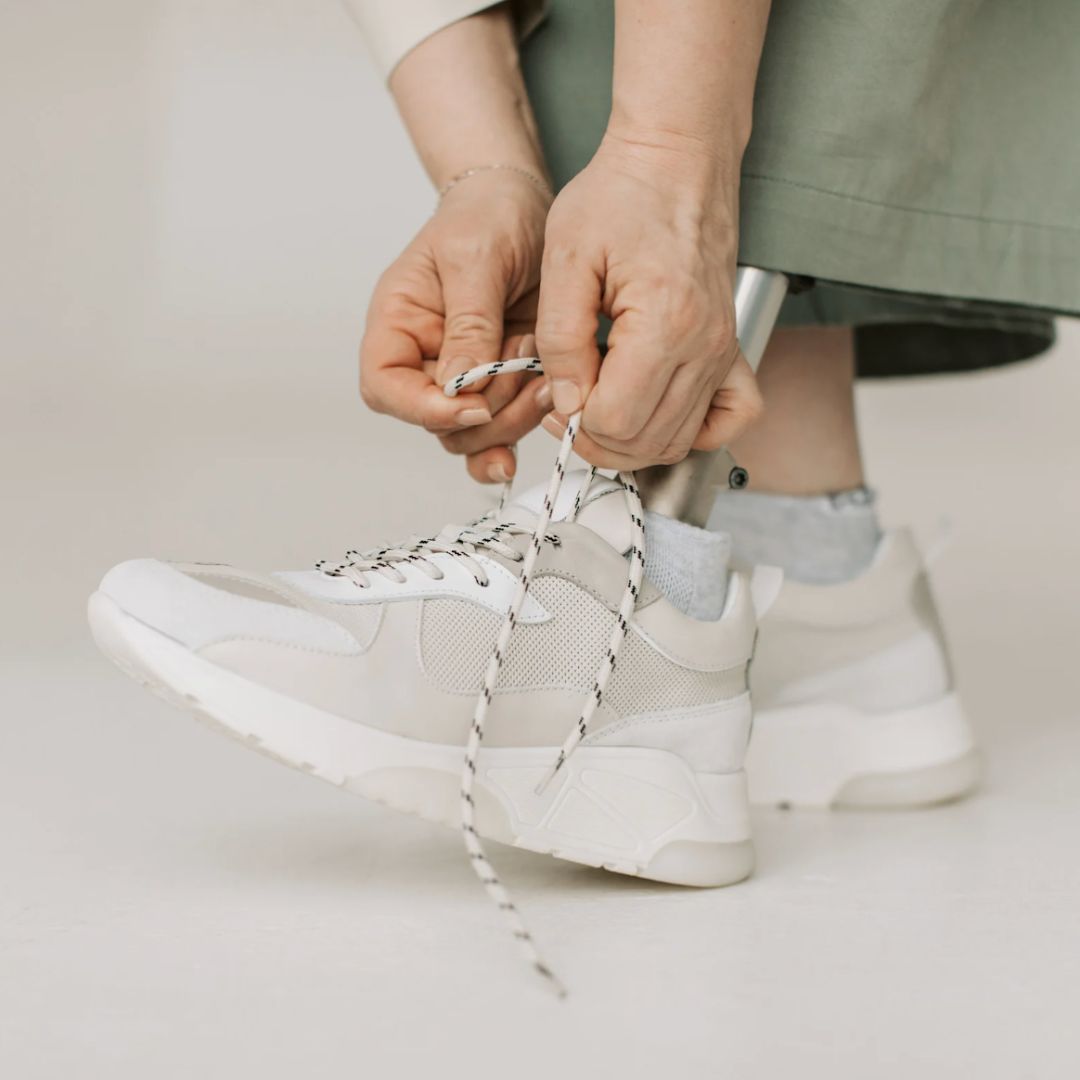
Supportive footwear advice
- Helps improve foot alignment and reduce unnecessary strain
- Tailored recommendations based on your foot structure and lifestyle
- Supports comfort, function, and long-term foot health
What are supportive footwear?
Footwear plays a key role in how forces move through the feet and lower limbs, and the right supportive shoes can significantly influence comfort and function.
Supportive footwear advice involves assessing your feet, movement patterns, and daily activities to recommend shoes that provide appropriate support, cushioning, and stability. Our advice is personalised to ensure footwear supports your individual needs rather than following a one-size-fits-all approach.
Who may benefit from supportive footwear advice?
Supportive footwear advice may benefit people who:
- Experience foot, ankle, knee, or lower back pain
- Spend long hours standing or walking
- Participate in sport or regular exercise
- Have specific foot posture or alignment concerns
- Are unsure which footwear styles best support their needs
It can be useful both for managing existing issues and preventing future problems.
How does supportive footwear advice work?
During your consultation, your podiatrist will assess your foot structure, gait, and activity demands. Based on these findings, we provide clear guidance on suitable footwear features such as support, cushioning, stability, and fit.
Where appropriate, recommendations may be combined with orthotics or other treatments to support alignment and long-term movement health.
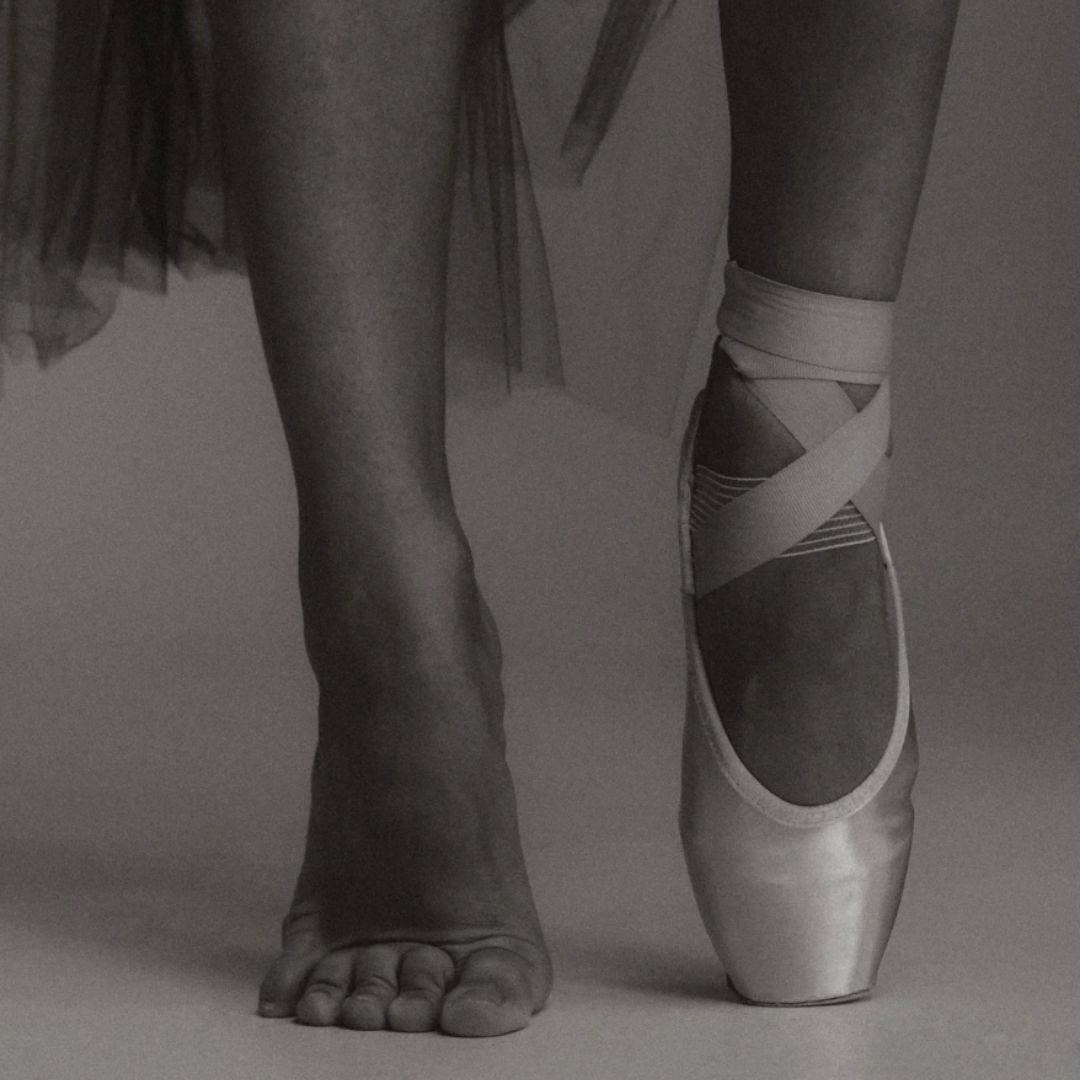
Pre-pointe assessments
- Assesses readiness for the physical demands of pointe work
- Evaluates strength, alignment, flexibility, and control
- Aims to reduce injury risk and support long-term dancer health
What is a pre-pointe assessment?
A pre-pointe assessment is a specialised evaluation designed to determine whether a dancer is physically ready to commence pointe work. It focuses on assessing the feet, ankles, and lower limbs, as well as overall strength, control, balance, and alignment required for the demands of pointe.
The goal is to ensure dancers progress safely while protecting long-term foot and lower limb health.
Who may benefit from a pre-pointe assessment?
Pre-pointe assessments are recommended for:
- Ballet dancers preparing to begin pointe work
- Dancers seeking reassurance about readiness and technique
- Students with a history of foot, ankle, or lower limb injury
- Parents and teachers wanting an objective assessment of readiness
Pre-pointe assessments are suitable for both recreational and pre-professional dancers.
How does a pre-pointe assessment work?
During the assessment, your podiatrist will evaluate foot structure, ankle mobility, lower limb alignment, muscle strength, balance, and movement control. Functional tests relevant to ballet technique are used to assess load tolerance and coordination.
Following the assessment, clear feedback and recommendations are provided. This may include guidance on readiness, targeted exercises, technique considerations, or timing for progression to pointe work, all with the aim of supporting safe development and injury prevention.
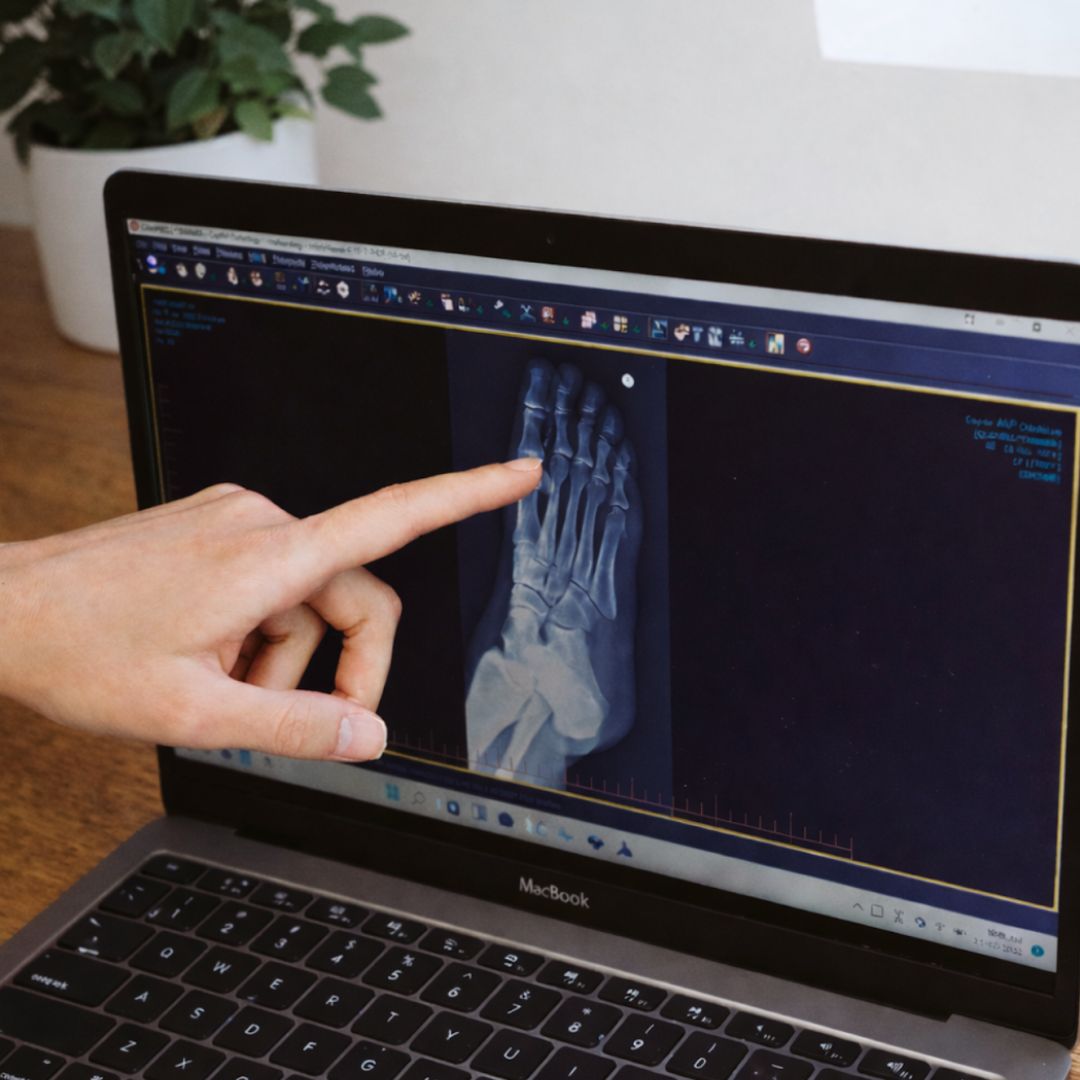
Diabetic foot assessments
- Comprehensive assessment to identify early signs of diabetes-related foot complications
- Focuses on circulation, nerve sensation, skin health, and pressure risk areas
- Supports prevention, early intervention, and ongoing foot health management
What is a diabetic foot assessment?
A diabetic foot assessment is a comprehensive check of foot health for people living with diabetes. It focuses on identifying early signs of complications such as reduced sensation, poor circulation, skin changes, or pressure areas that may increase the risk of ulcers or infection.
Regular assessments play an important role in prevention and ongoing foot care.
Who may benefit from a diabetic foot assessment?
Diabetic foot assessments are recommended for:
- People with type 1 or type 2 diabetes
- Individuals with a history of diabetic foot ulcers
- People experiencing numbness, tingling, or reduced sensation in their feet
- Anyone with concerns about foot health related to diabetes
Assessments are suitable even if no current foot problems are present, as early detection is key.
How does a diabetic foot assessment work?
During the assessment, your podiatrist will examine circulation, nerve sensation, and skin integrity. This includes checking pulses, nerve sensation testing, and assessing areas of pressure or risk. Following the assessment, we will explain your individual risk level and how diabetes can affect your feet.
Medicare & Department of Veterans’ Affairs (DVA) services
Eligible patients may access podiatry care through Medicare or the Department of Veterans’ Affairs with a valid referral. Our team works within these frameworks to provide consistent, high-quality care aligned with individual needs and goals.
Who can use medicare and DVA podiatry services?
Medicare
Medicare-funded podiatry services may be available to patients with a valid GP Management Plan (Chronic Disease Management Plan) and a referral from their GP. Eligibility and the number of sessions approved are determined by your GP and Medicare guidelines.
Department of Veterans’ Affairs (DVA)
DVA podiatry services are available to eligible Gold Card and White Card holders. Treatment must be for conditions covered under your DVA entitlements and may require a valid referral.
Our team is happy to assist with checking eligibility and explaining how Medicare or DVA claims work prior to your appointment.
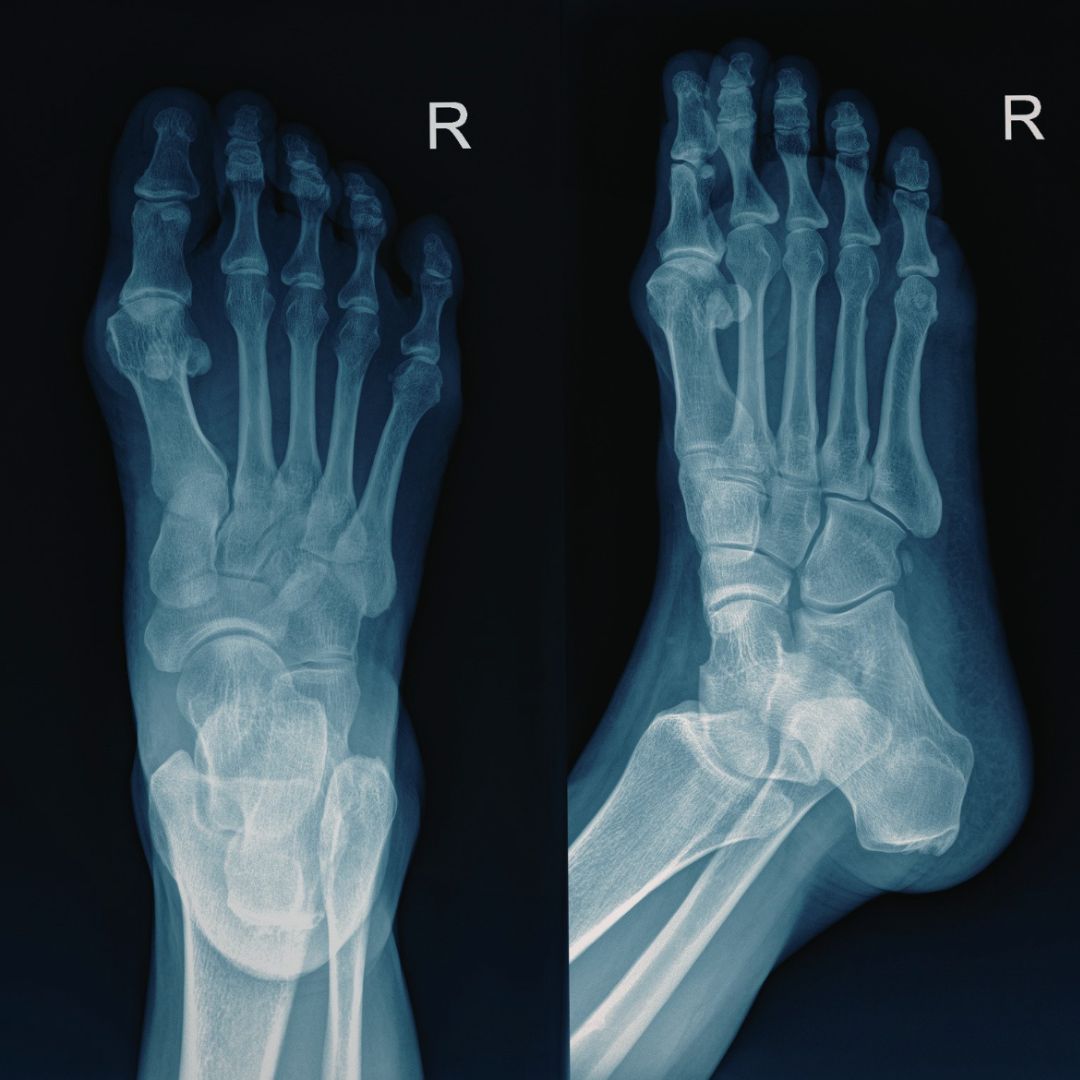
WorkCover and TAC consultations
WorkCover and TAC consultations provide podiatry assessment and treatment for injuries sustained at work or as a result of a transport accident. These consultations focus on managing foot and lower limb injuries that may affect mobility, comfort, and the ability to return to work or daily activities.
Care is delivered in line with relevant WorkCover and TAC guidelines.
How do workcover and TAC consultations work?
Your podiatrist will perform a thorough assessment to understand your injury, symptoms, and functional limitations. Treatment is tailored to support recovery, restore movement, and reduce the risk of ongoing issues.
Where required, we communicate with GPs and if any, other healthcare providers to support coordinated care and assist with a safe and timely return to work or activity.
NDIS Services
For eligible NDIS participants, our podiatry services are tailored to individual goals and functional needs. Our approach focuses on improving comfort, supporting mobility, and enhancing quality of life through considered, person-centred care.
What are NDIS podiatry services?
NDIS podiatry services provide assessment and treatment for participants whose foot and lower limb needs impact daily function, mobility, or quality of life. Care is tailored to support individual goals outlined in an NDIS plan, with a focus on improving comfort, safety, and participation in everyday activities.

Telehealth consultations
- Convenient access to podiatry care from home
- Suitable for advice, follow-ups, and treatment planning
- Supports continuity of care when in-person visits aren’t possible
What are telehealth consultations?
Telehealth consultations allow you to consult with your podiatrist remotely via secure video or phone appointment. These sessions are designed to provide clinical guidance, assessment where appropriate, and ongoing management without the need to attend the clinic in person.
Telehealth is used to complement in-clinic care and maintain continuity of treatment.
What consultations can be done via telehealth?
Telehealth consultations may be suitable for:
- Follow-up appointments and progress reviews
- Discussion of symptoms and treatment options
- Exercise prescription and rehabilitation guidance
- Footwear advice and orthotic reviews
- Management of chronic or ongoing conditions
- Review of imaging or medical reports
- Advice for mild or early-stage concerns
- General foot health education and prevention advice
Telehealth may not be suitable for conditions that require hands-on assessment, procedures, or treatment. Your podiatrist will advise whether an in-person appointment is recommended to ensure safe and effective care. Your podiatrist will advise if telehealth is appropriate for your concern.
How do telehealth consultations work?
During your telehealth appointment, your podiatrist will discuss your symptoms, medical history, and current concerns. Where appropriate, you may be guided through simple movement assessments or asked to show the affected area via video.
Based on this assessment, we provide personalised advice, treatment recommendations, exercises, or guidance on next steps. If an in-person assessment or treatment is required, we will help organise this as part of your care plan.